Average Homeowner Satisfaction Rating.
Years of Experience

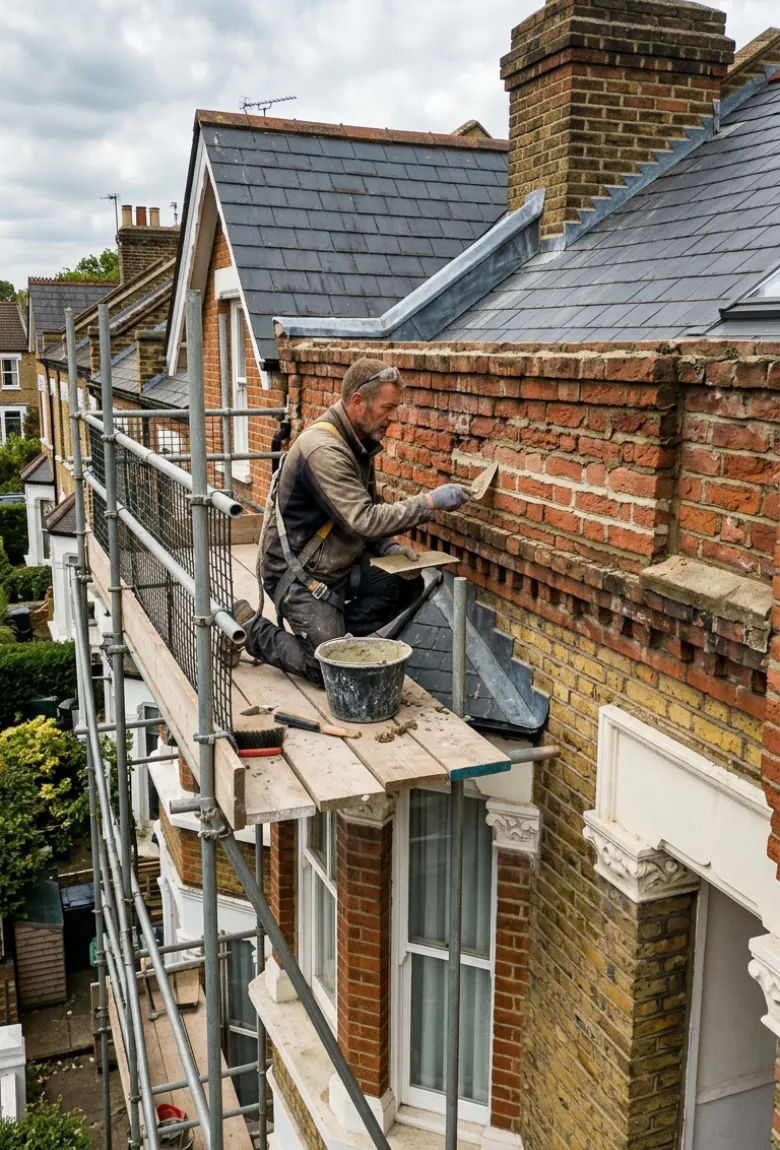
Lime mortar is softer and more breathable than cement. On the right brickwork it lets the wall dry out through the joints instead of through the bricks, which protects the brick faces from frost and salt damage. We point and repoint in lime across North London, and we’ll tell you honestly whether your wall needs it.
Skilled Team
Expert Solutions
Preserve Property
Lime isn’t automatically better than cement – it’s better for certain walls. For most modern cavity-wall houses with hard bricks a well-mixed cement-based mortar is fine, and we’ll say so. See our pointing and repointing service.
Serving Homeowners Across North London


As a rule, we recommend lime when one or more of these applies. If none do, cement-based pointing is usually the sensible choice.
Most houses built before the 1920s have solid brick walls that rely on moisture evaporating through the mortar joints.
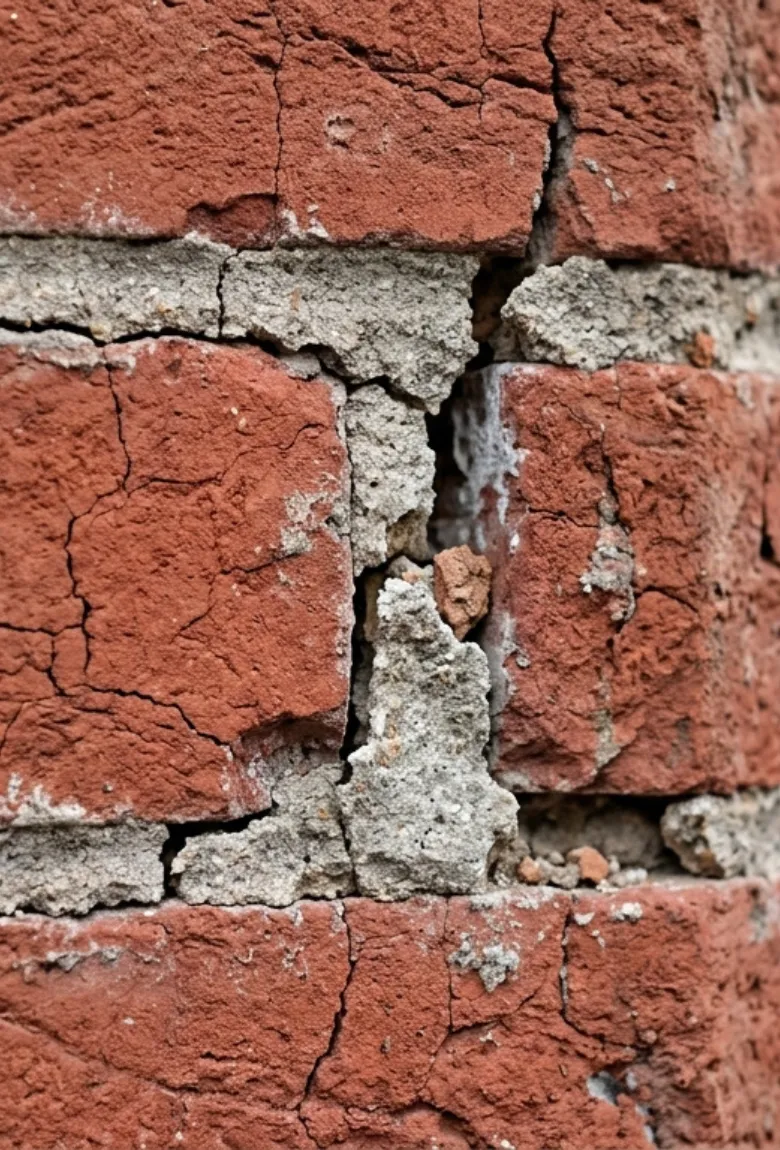
Many London stock and older bricks are softer than modern cement mortar. A hard joint forces frost damage into the brick instead.
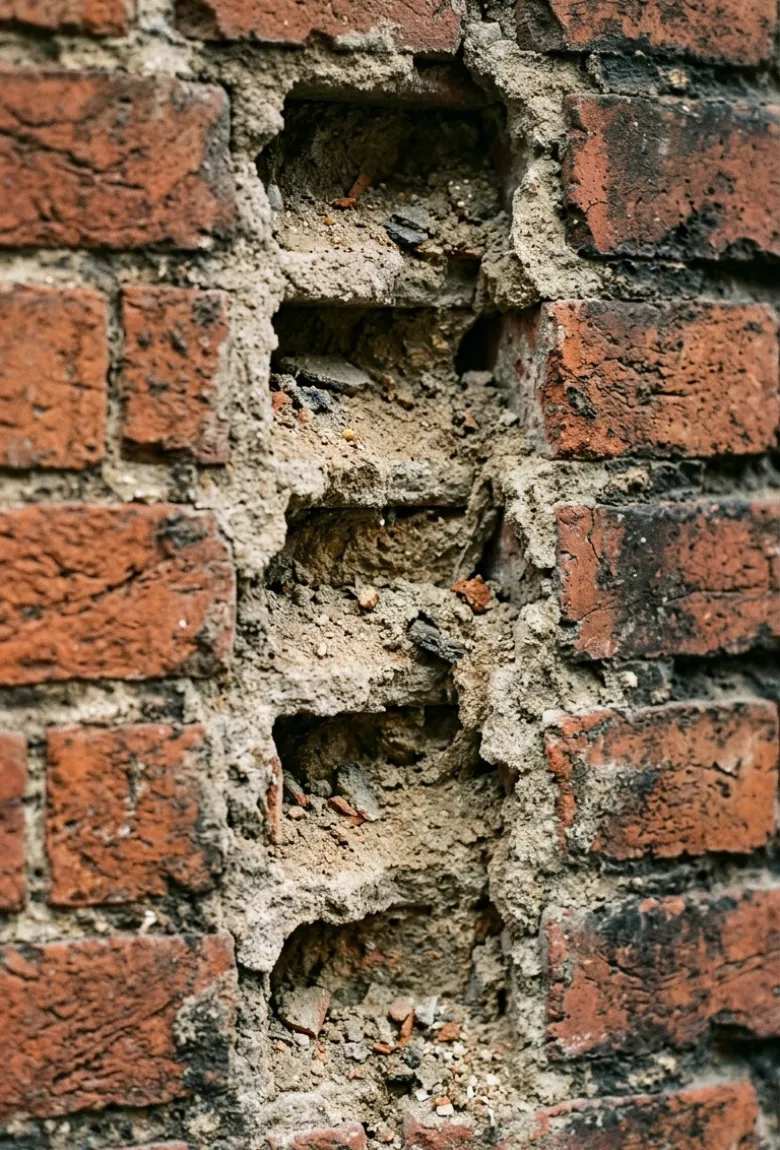
Matching the original mortar is the safest repair and keeps the wall behaving as it was designed to.
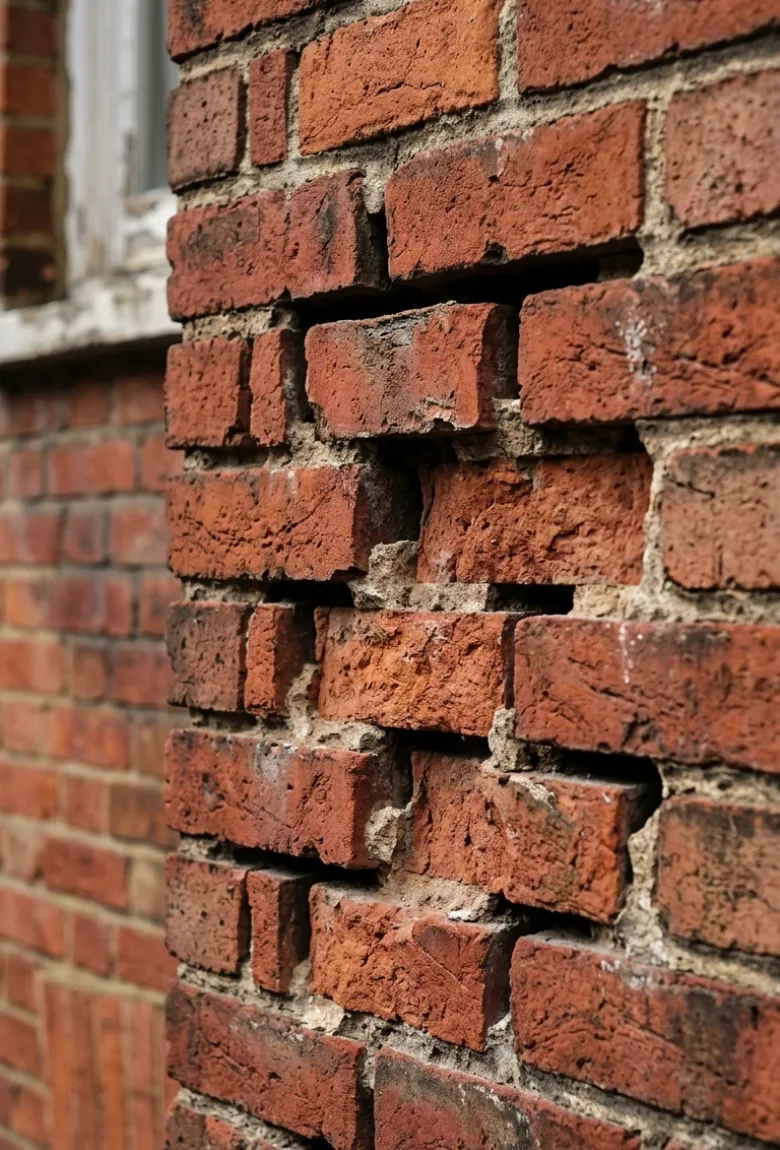
Brick faces spalling or crumbling next to hard, intact cement joints is a classic sign the wrong mortar was used.
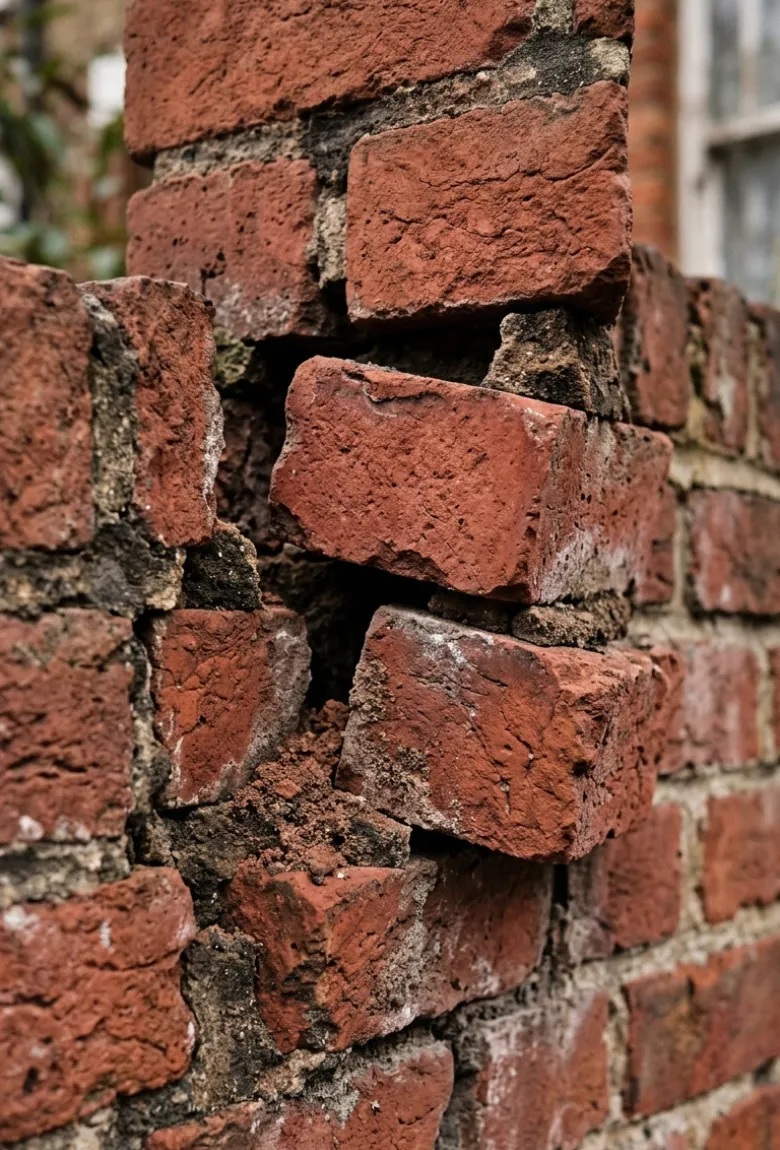
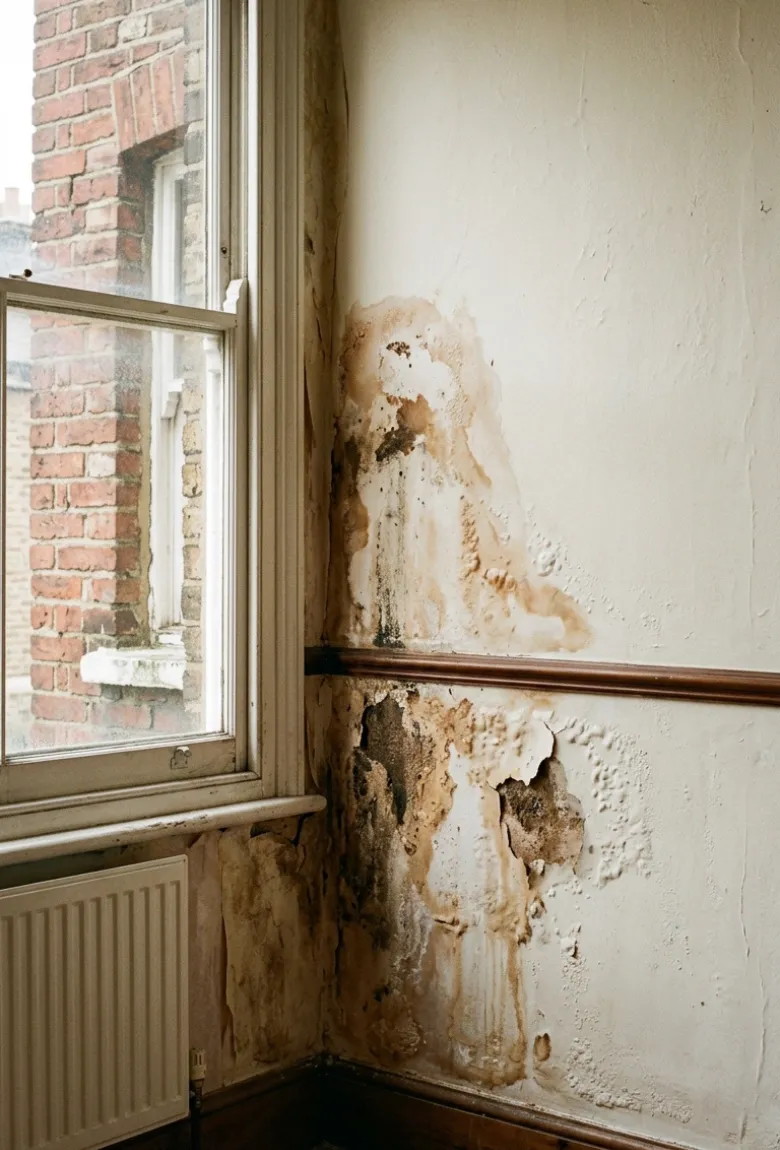
Damp patches on inside walls that appeared after a previous cement repointing job can point to trapped moisture.
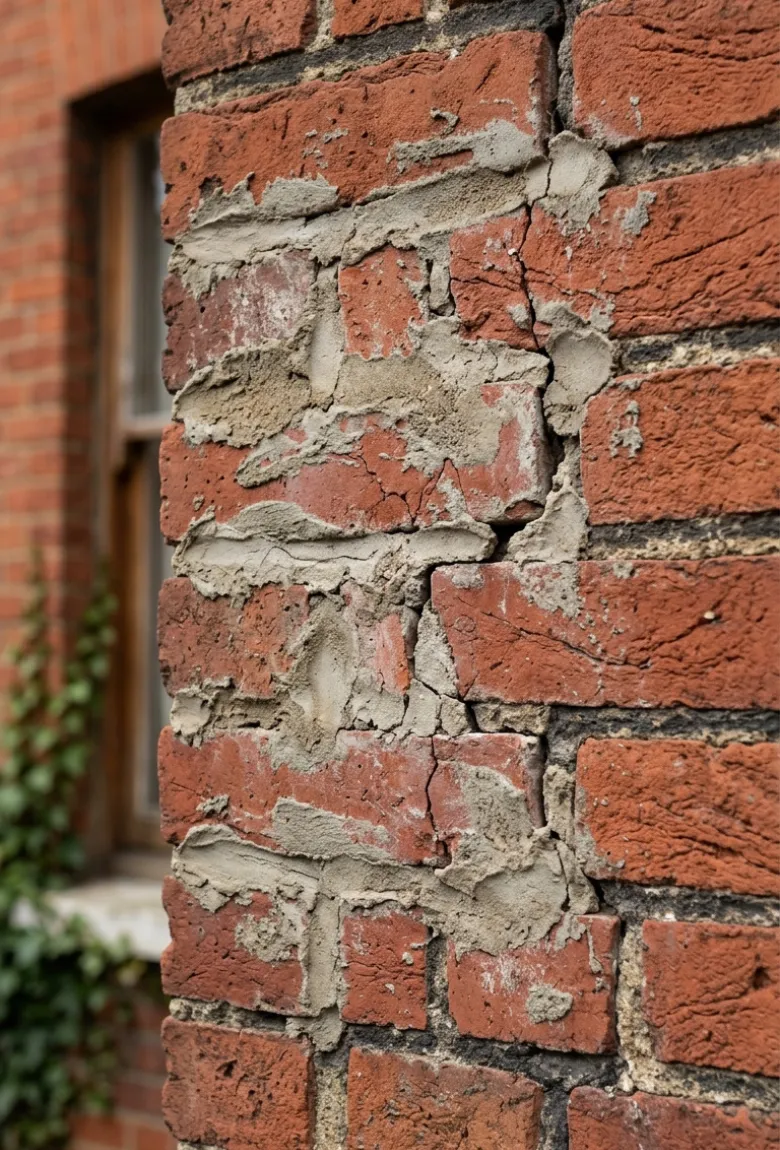
Raised or smeared cement over the brick edges holds water against the brick. We’ll recommend replacing it in lime.
We decide by looking at the bricks, the existing mortar and how exposed the wall is – not by habit. Here is the short version:
Send us a photo or book a visit and we’ll tell you what we think is going on before you commit to anything.
Both have their place. These are the practical differences that matter on a North London house.
Lime: solid walls, soft bricks, walls originally built in lime. Cement: most modern cavity walls with hard bricks.
Lime lets the wall dry out through the joints. Cement lets very little moisture through, so it escapes through the bricks instead.
Lime accommodates slight movement in older walls. Cement is rigid and more likely to crack or pull away from soft bricks.
Lime cures slowly and must be protected from frost, rain and fast drying. Cement sets faster.
Lime work is usually a little more expensive because it is slower to apply and cure.
With lime the joint wears and can be renewed. With hard cement on soft brick, the brick often fails first.
Lime pointing is avoided when frost is expected. Cement work has a wider weather window.
From a single garden wall to a full front elevation, we point and repoint in lime wherever the brickwork calls for it.
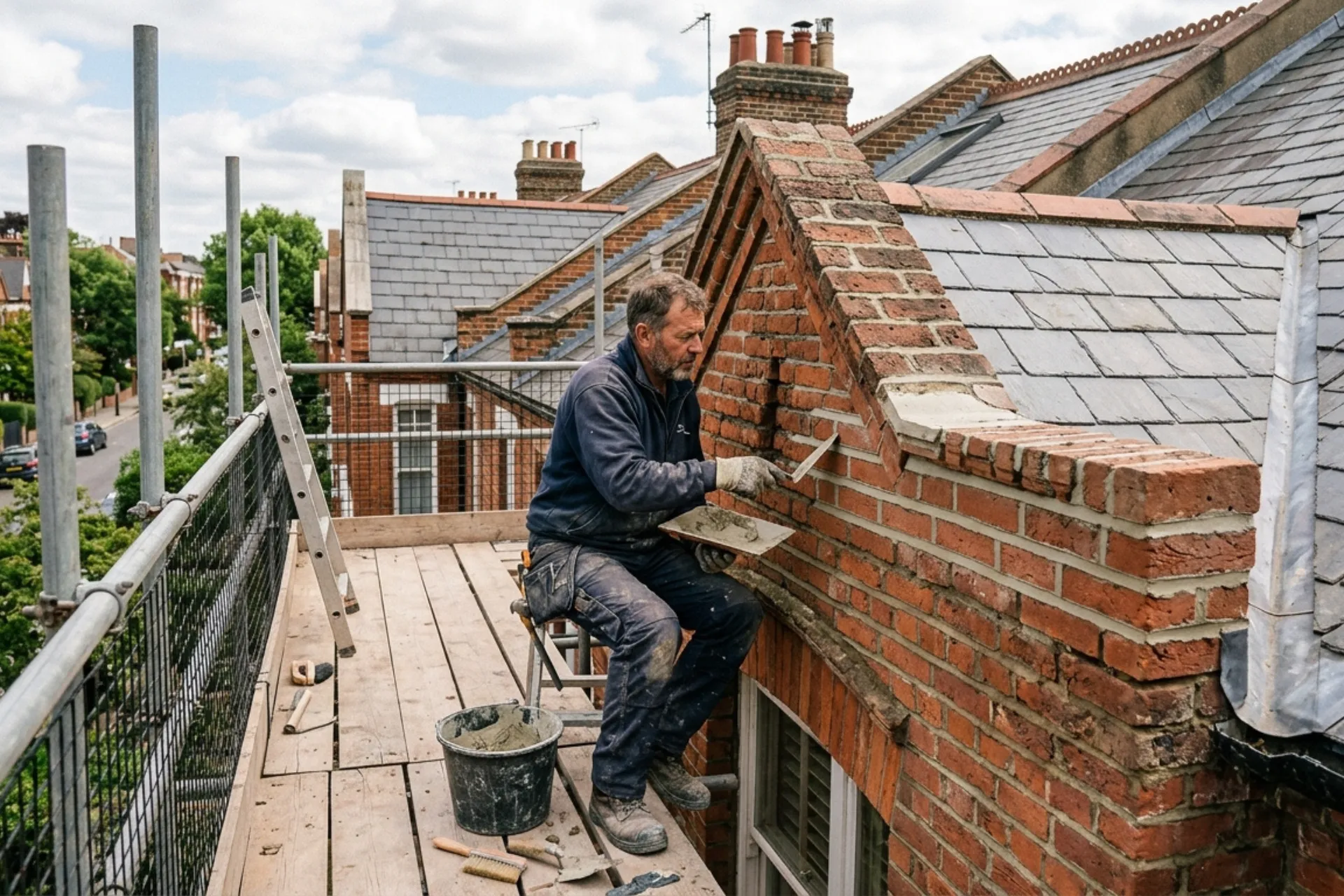
Front, rear and side walls raked out and repointed in lime, matched to the original colour and finish.
Old cement joints carefully cut out and replaced in lime – usually the slowest part of the job, and done by hand.
Spalled or cracked bricks cut out and replaced before repointing, so the new joints have sound brick to bond to.
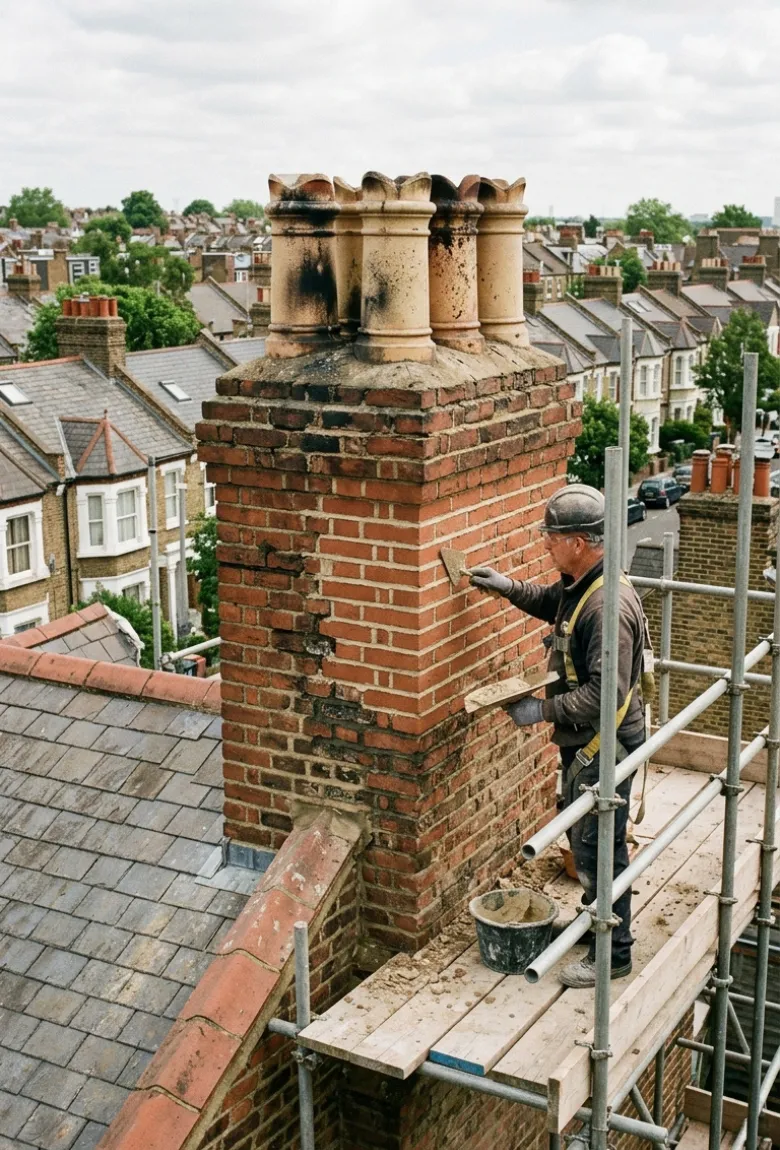
Chimneys get the worst of the weather. See chimney repairs and repointing.
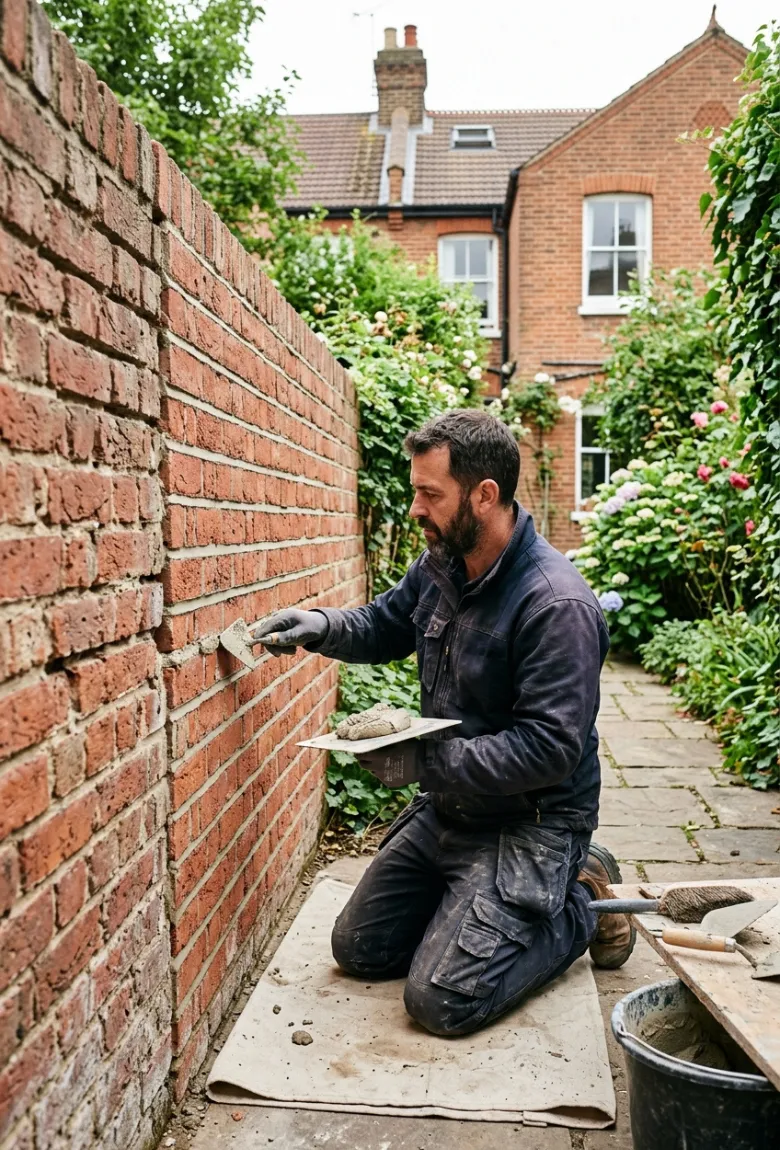
Lime repointing for older garden walls. See garden wall repairs.
Let’s make something great work together. Get a Quote
The joint finish changes how the wall looks and how well it sheds rain. We match the existing finish or recommend one that suits the bricks and the exposure of the wall.
Where colour matters, we mix a small test patch for you to approve once it has dried.
Mortar finished level with the brick and brushed back to show the sand – a common lime finish on older, softer bricks.
Angled so rain runs off the wall face – a practical choice for exposed walls.
A shallow curved joint, pressed in to compress the mortar – common on inter-war brickwork.
Coloured mortar with a fine raised line of lime putty on top, for a crisp, precise look.
Raised “ribbon” or “strap” pointing channels water onto the brick edges. We’ll usually recommend replacing it.
The aim is that nobody can tell where the new pointing starts. New lime mortar looks a little brighter at first and tones down as it weathers.
chosen to suit the bricks and how exposed the wall is – a sheltered garden wall and a chimney stack don’t need the same mix.
by choosing the sand and mix to match the existing mortar, with a test patch for you to approve.
we erect our own scaffolding for upper walls and chimneys and include it in your quote – no separate scaffolding firm to book.
Lime work is planned around the weather and done carefully by hand. This is how a typical job runs.
We check the bricks, the existing mortar, the joint finish and access, then give you a written quote. Where colour matters we mix a test patch.
Windows, doors and plants are protected, and we put up our own scaffolding where it’s needed.
Old mortar is cut out to a consistent depth without chipping the brick edges, including any hard cement from earlier repairs.
The lime and sand are chosen to suit the brick and the exposure of the wall.
Joints are dampened, filled firmly in layers and finished to the agreed style once the mortar has started to firm up.
Fresh lime work is protected from sun, wind, rain and frost and misted where needed while it cures. We tell you how to look after it.
Choosing the right brickwork and pointing specialist is essential for protecting your property. Here’s why homeowners and businesses across North London trust us
Michael Rock has more than 30 years of hands-on expertise in pointing, chimney repairs, and brickwork restoration.
We understand North London architecture, weather conditions, and building materials, ensuring tailored solutions for your property.
Every project is completed to the highest standards, with attention to detail and durability in mind.
From minor repairs to major restorations, we handle all aspects of brickwork and pointing.
Honest quotes with no hidden fees, ensuring peace of mind.
We take pride in delivering exceptional results and building long-term relationships with our clients.
We proudly serve North London and surrounding areas, including
No matter where you are in North London, our team is ready to provide fast, reliable, and professional service. Not on the list? We often work in nearby areas too. Contact us to check.
Trusted by our happy clients
100% Trusted, 100% Tested – Building Better Homes!

Every quote is based on the wall in front of us. The main factors are the area, access and scaffolding, the depth and condition of the old mortar, any hard cement that must be removed first, and brick repairs. Small sections usually cost a few hundred pounds; full elevations or chimneys with scaffolding usually run into the thousands. You get a written, itemised quote after we’ve seen the wall.
Not directly. The cement has to be carefully removed first, and this is often the slowest part of the job. If removing it would damage the bricks, we’ll tell you before we start.
It firms up within days but keeps hardening for weeks and months. In the first days it has to be protected from frost, heavy rain and drying out too fast.
It’s softer by design. In a soft-brick wall the mortar is meant to be the part that wears, so it can be renewed later without damaging the bricks.
Only in mild spells and with protection. We avoid lime work when frost is expected.
Usually a little, because it is slower to apply and needs protecting while it cures. Your quote will show the cost clearly.
We work across North London. See areas we cover or call 07751 362 934.